
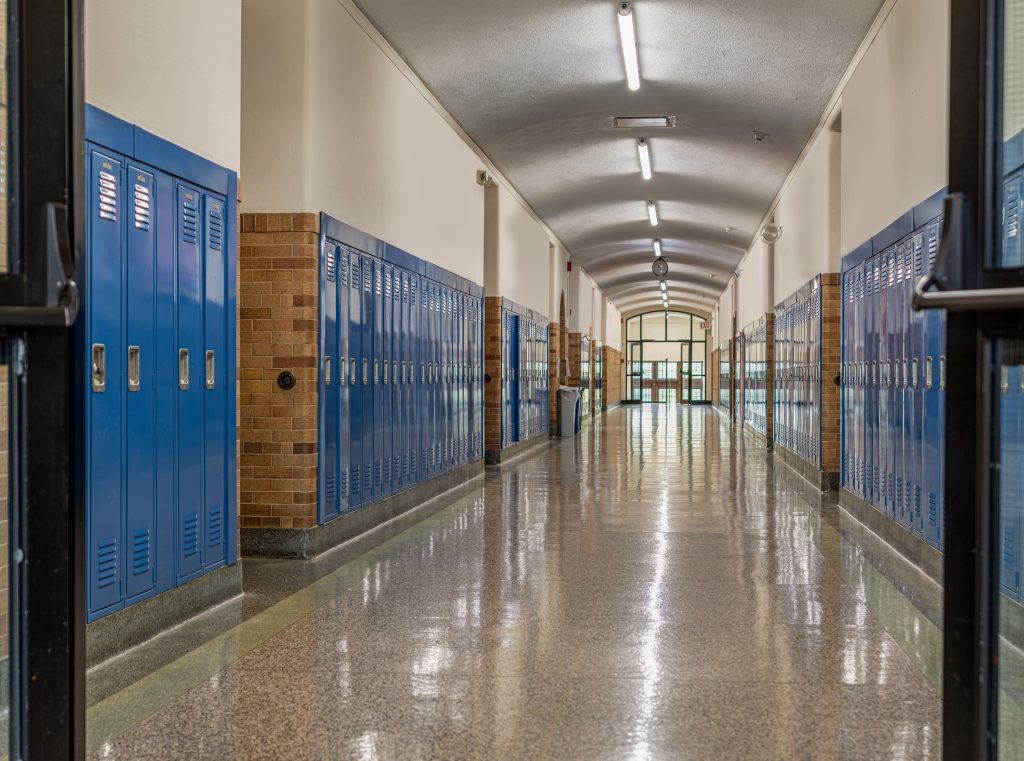
K-12 Facility Security during Spring Break and warmer months
Ensuring the safety of K-12 facilities is crucial, especially during spring break and the warmer months. These periods often see reduced occupancy, making schools more vulnerable. School administrators must prioritize security to protect students, staff, and property.
Effective security measures can deter potential threats and ensure peace of mind. Access control systems play a vital role in managing who enters school premises. Surveillance cameras enhance monitoring, providing an extra layer of security.
Regular security audits help identify and address vulnerabilities before they become issues. Training staff and students on emergency procedures is essential for preparedness. Collaboration with local law enforcement can enhance security efforts during breaks.
By implementing comprehensive strategies, schools can maintain a safe environment year-round. This proactive approach fosters a culture of safety and vigilance.
Assessing Security Needs Before Spring Break
Before spring break, it’s crucial to review and update security protocols. This ensures preparedness for potential threats during the low-occupancy period. Begin by evaluating existing measures and identifying gaps that may compromise safety.
Conduct thorough security audits to uncover vulnerabilities. Assess entry points such as doors and windows, ensuring they are secure. Review access control systems to confirm they function effectively and update any outdated technology.
Consider these key steps for enhancing security:
- Review and update emergency contact information.
- Inspect all security equipment for proper functionality.
- Collaborate with local law enforcement for increased patrols.
Engage staff in discussions to understand their concerns and suggestions for improvements. This inclusion fosters a sense of responsibility and enhances collective security efforts. Additionally, updating staff training on emergency response procedures reinforces readiness.
By proactively addressing these security needs, schools can better protect their facilities during spring break. This approach minimizes risks and maintains a safe learning environment.
Strengthening Access Control Systems
Effective access control is key to school safety. It’s essential to monitor and restrict entry to school premises. Enhanced systems can deter unauthorized access, ensuring a secure environment.
Implement advanced access control measures for robust security. Consider utilizing key cards, biometric systems, or keypad entry to regulate access. These technologies provide clear records of who enters and exits, aiding in incident investigations.

Here are some strategies to enhance access control:
- Install surveillance cameras at all entrances.
- Use intercom systems for visitor verification.
- Implement a visitor management system for tracking and verification.
Strengthening access control requires regular updates and maintenance. Ensure systems are up-to-date and functioning properly to avoid potential breaches. Training staff on how to use and manage these systems is equally important.
With a comprehensive approach to access control, schools can significantly improve their security posture. This proactive step helps maintain a safe learning environment throughout the school year.
Leveraging Technology for Enhanced School Safety
Incorporating technology into school security strategies is essential. It enhances monitoring, communication, and response capabilities. Schools should adopt innovative solutions tailored to their specific needs.
Integrating surveillance cameras and alarms are just starting points. Advanced technologies like artificial intelligence can provide predictive analysis. This helps in identifying potential threats before they manifest.

Consider these tech solutions for improving safety:
- Use mobile apps for real-time emergency alerts.
- Employ drones for aerial surveillance of campuses.
- Implement cybersecurity measures to protect digital infrastructure.
Technology also plays a crucial role in emergency preparedness. It facilitates swift communication between staff, students, and law enforcement. By harnessing the power of modern tech, schools can create a proactive and responsive security environment, ensuring students and staff remain safe throughout the year.
Emergency Preparedness and Communication Plans
Comprehensive emergency preparedness is vital for ensuring school safety. Developing well-structured plans can significantly reduce risks. Schools should regularly review and update these plans to keep them relevant.
Effective communication is crucial during emergencies. It ensures everyone knows what actions to take. Schools should use multiple platforms for alerts, such as emails, texts, and public address systems.
Consider these steps for effective emergency preparedness:
- Develop clear evacuation routes and procedures.
- Conduct regular drills for various scenarios.
- Create a crisis management team to oversee responses.
Plans should detail steps for specific emergencies, like natural disasters or intrusions. Regular training sessions can enhance staff and student readiness. Engaging the community, including parents, in these efforts strengthens the overall safety net. By preparing comprehensively, schools can ensure a coordinated and effective response, minimizing impact and ensuring student safety.
Securing Outdoor Areas and Managing Events
Outdoor areas pose unique security challenges, especially during warmer months. Schools should secure these areas to ensure student safety. Implementing clear boundaries and surveillance can prevent unauthorized access.
Events held on school grounds require meticulous planning. It ensures a secure environment for everyone involved. This includes controlling entry points and managing visitor access effectively.
Key strategies include:
- Regular patrols around the campus perimeter.
- Installing visible signage to guide visitors.
- Utilizing temporary barriers during large gatherings.
It’s important to involve local law enforcement in event planning. Their presence can deter potential threats and provide immediate assistance if needed. Engaging staff in security measures and establishing clear guidelines can enhance outdoor safety. Being proactive in managing security for outdoor areas and events is crucial for overall facility security.
Training, Drills, and Community Involvement
Regular training and drills are vital for school safety. They ensure that everyone knows their role during an emergency. Practiced regularly, these actions save time and lives in real situations.
Involving the community strengthens security initiatives. Parents and local law enforcement can provide valuable support. Community involvement fosters a shared sense of responsibility and vigilance.
Essential actions include:
- Conducting regular emergency drills with staff and students.
- Hosting safety workshops for parents and guardians.
- Engaging local agencies for security assessments and feedback.
These practices reinforce the importance of readiness and awareness. Everyone must be prepared, not just during school hours but throughout the year. Building a network of informed and involved stakeholders fortifies the overall security framework.
Maintenance, Audits, and Continuous Improvement
Routine maintenance ensures all security systems work properly. Overlooking equipment checks can lead to failures during emergencies. Having a regular schedule for maintenance is crucial.
Conducting security audits helps identify weaknesses in current systems. These audits offer insights into potential risks. They enable schools to adapt to evolving security challenges effectively.
Key steps for continuous improvement include:
- Scheduling regular maintenance for all security systems.
- Performing comprehensive security audits bi-annually.
- Updating security protocols based on audit findings.
By embracing a proactive approach, schools can maintain robust security measures. Continuous assessment and improvement promote a safer learning environment for everyone. This commitment to vigilance helps protect our schools year-round.
Conclusion: Fostering a Culture of Safety Year-Round
Achieving year-round school safety requires constant effort. By integrating comprehensive security practices, schools create a safer environment. These strategies bolster protection throughout spring break and warmer months.
Involving the community in security initiatives enhances overall safety. Active participation from students, staff, and local authorities fosters a vigilant atmosphere. This collective responsibility ensures that safety is a shared priority.
Emphasizing a culture of security and awareness helps deter potential threats. Regular updates and training keep everyone informed and prepared. Through continuous commitment, schools can provide secure places for students to learn and grow.